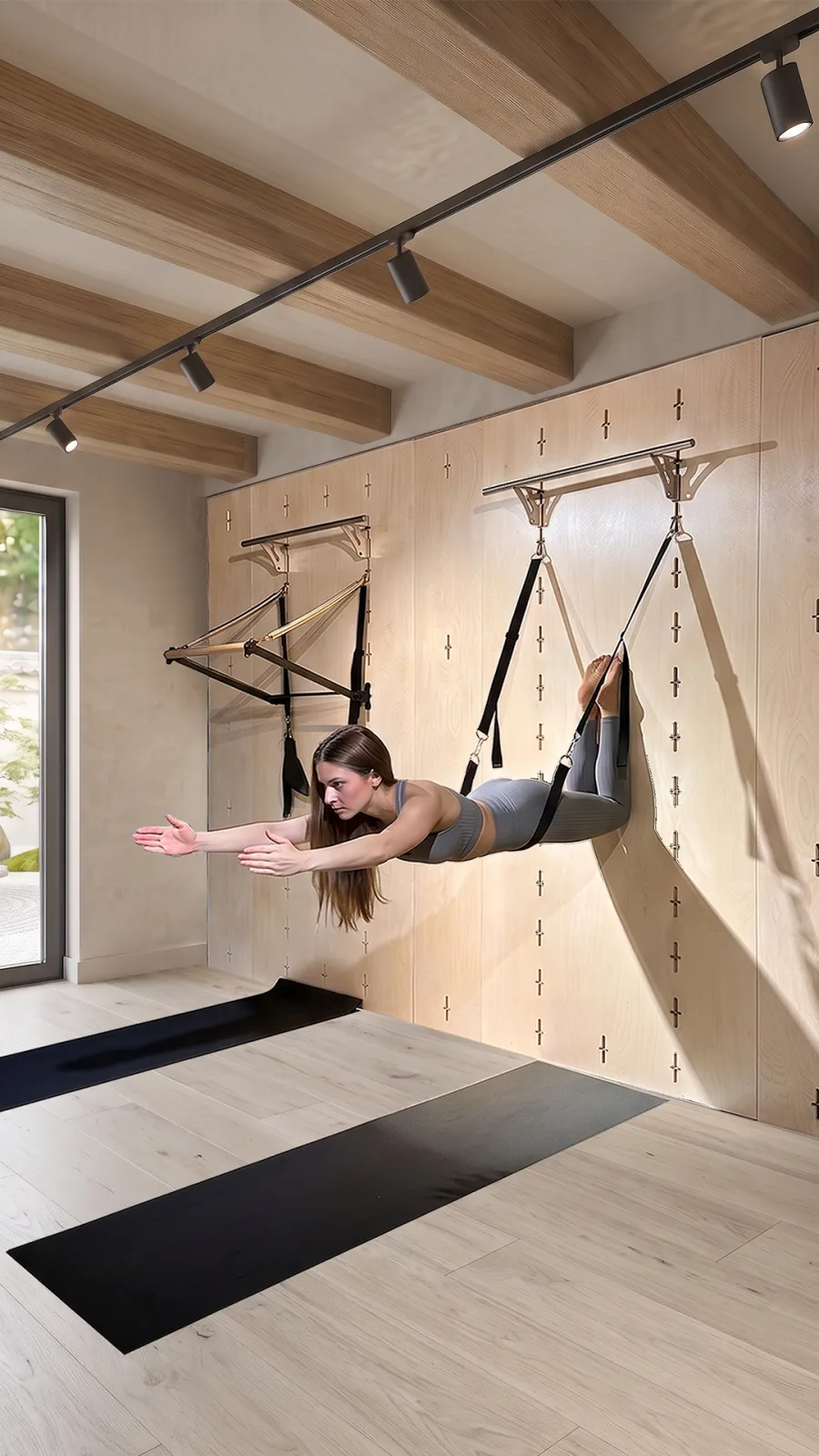
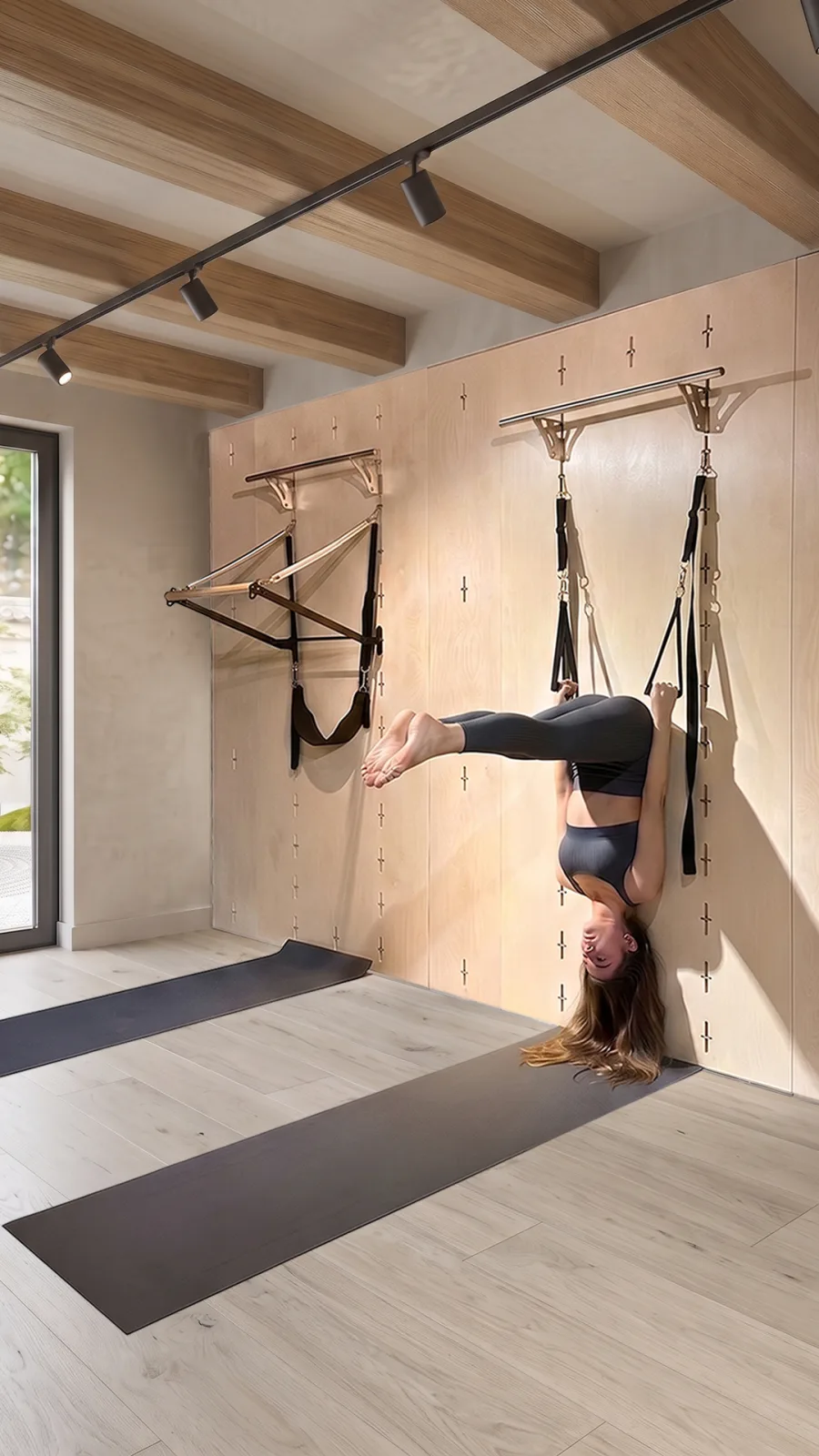
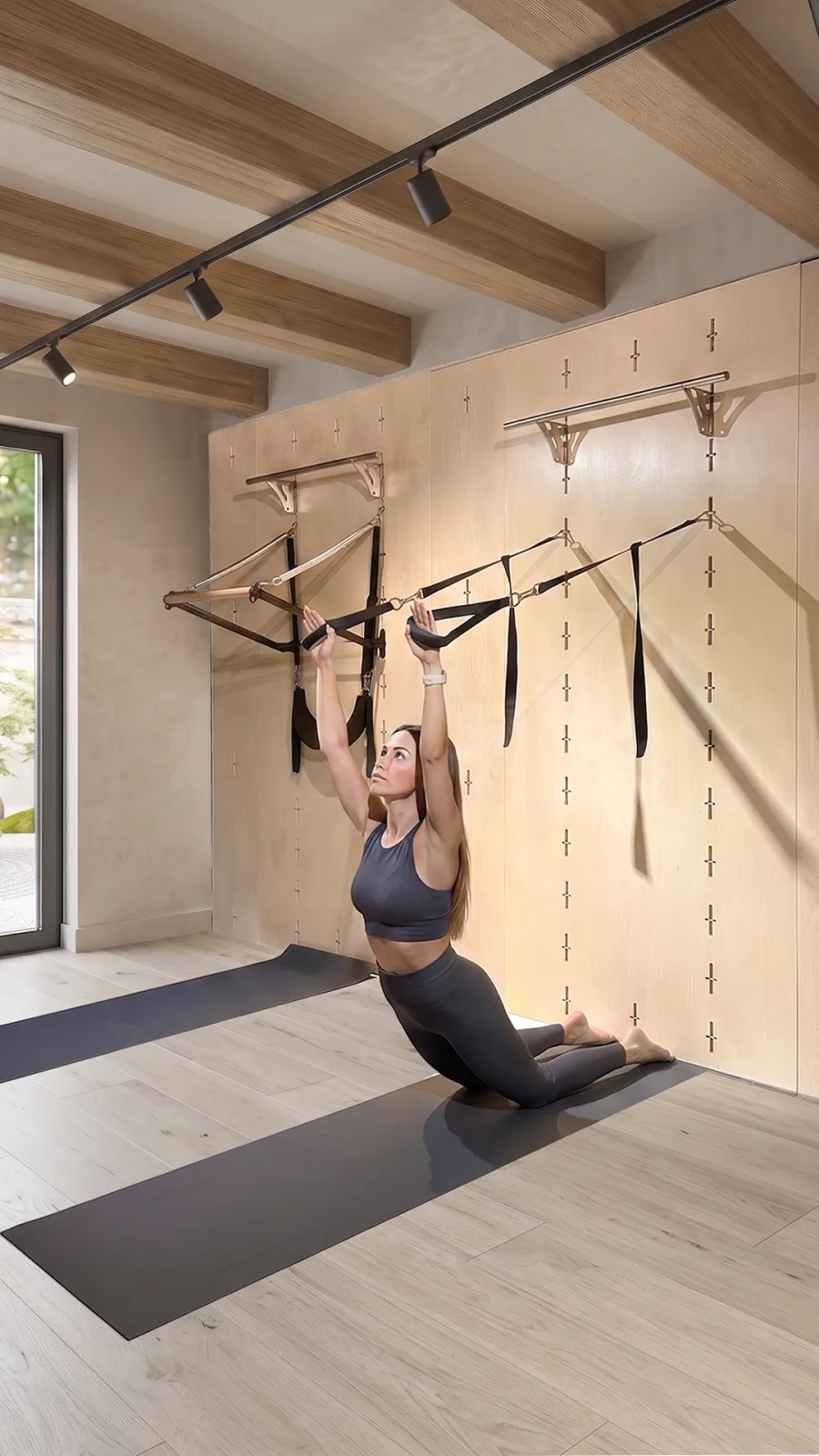
Half Roll Back - Ardha Navasana
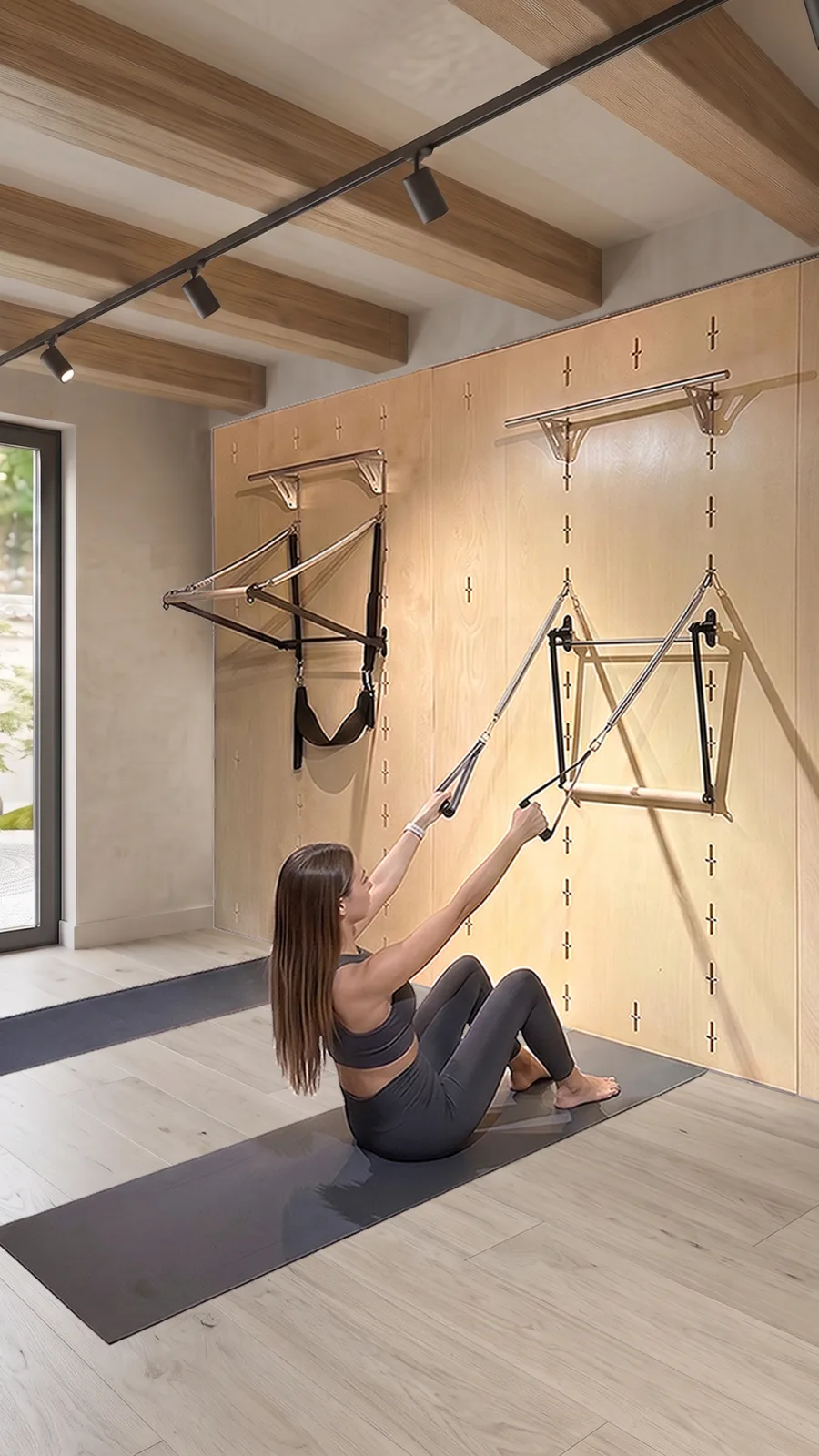
In Pilates: This movement is one of the most fundamental building blocks of the Pilates system. It is a version of the "Half Roll Back" movement from the mat series, performed with spring resistance. It exactly resembles the "Roll Down" series performed on the Cadillac (Trapeze Table) or Springboard, where you hold onto the springs, curve the spine into a "C" shape (C-Curve), and lean backward. In Yoga: Visually, in terms of the backward lean of the torso and the load carried by the abdominal muscles, it is very similar to the Ardha Navasana (Half Boat Pose). However, because there is no spring resistance trying to pull the body forward in yoga, the dynamics are different; here, there is a resistance against the springs (anti-flexion/extension).
Muscles worked
- This movement is an exercise that combines isometric and eccentric contractions, placing the primary workload on the core region while keeping the upper body and arms stable:
- Core Muscles — This is the primary target of the exercise. The Rectus Abdominis (abdominal muscles) and Transversus Abdominis (deep abdominal muscle) work very intensely to resist the springs pulling the torso forward, keeping the spine in a "C" curve (C-Curve) and at a backward-leaning angle.
- Iliopsoas (Hip Flexors) — As the torso leans backward, the hip flexors engage as stabilizers to ensure the legs and feet remain firmly on the mat.
- Back and Scapular Stabilizers — The Latissimus Dorsi (lats) and Trapezius muscles contract isometrically to keep the shoulders away from the ears and to lock the arms at a stable angle against the pulling force from the springs.
- Arms (Biceps and Forearms) — They actively work to hold the resistance of the springs and to lock the elbows in a slightly bent position.
What it gives you
- Lower Back-Friendly Deep Abdominal Workout — Having the feet on the floor and the support received from the springs eliminates the dangerous load placed on the lumbar vertebrae during classic sit-up movements. It offers the opportunity to safely and deeply work the abdominal muscles, even for individuals with a herniated disc or lower back sensitivity.
- Spinal Articulation (Spinal Mobility) — It teaches how to curve the spine into a "C" shape by bending the vertebrae one by one, rather than keeping it straight like a board. This increases spinal flexibility and nourishes the discs between the vertebrae.
- Eccentric Core Control — While the springs want to suddenly pull the body forward, the person's slow resistance to this pull to maintain position creates strengthening through lengthening (eccentric force) in the abdominal muscles. This is one of the most effective methods for increasing muscle endurance.
- Lumbo-Pelvic Stabilization — By teaching the body to keep the pelvis stable while the shoulders and arms battle the springs, it instills the habit of maintaining proper posture in daily life.
Why it is rated Easy
A seated bar pull; a basic upper body back exercise performed in a stable posture.